

Randy Arozarena walked toward home plate for the second time in two different editions of the World Baseball Classic. This time he was the second hitter in the lineup, and often, the first time a player steps to the plate in a game, there’s a brief exchange of greetings with the umpire and the catcher before the first pitch.
In 2023, Arozarena had taken that same walk to the plate against the very same opponent: the United States. Back then the game was played at Chase Field, and Arozarena was the leadoff hitter.
When he arrived at home plate, he extended his hand to greet catcher Will Smith. Smith refused the handshake.
Mexico went on to win that game 11–5, with Arozarena delivering three hits, including two doubles and two RBIs.
Three years later, in another showdown between Mexico and the United States, Arozarena approached the plate again. Perhaps this time he hesitated before offering his hand. The catcher waiting for him was different, this time it was Cal Raleigh, his teammate in Seattle since 2024.
To the surprise of many, Raleigh chose not to return the greeting. Arozarena was left hanging, his hand extended into empty space. Raleigh said something to him as Arozarena looked back, visibly surprised, trying to understand the reason behind the refusal.
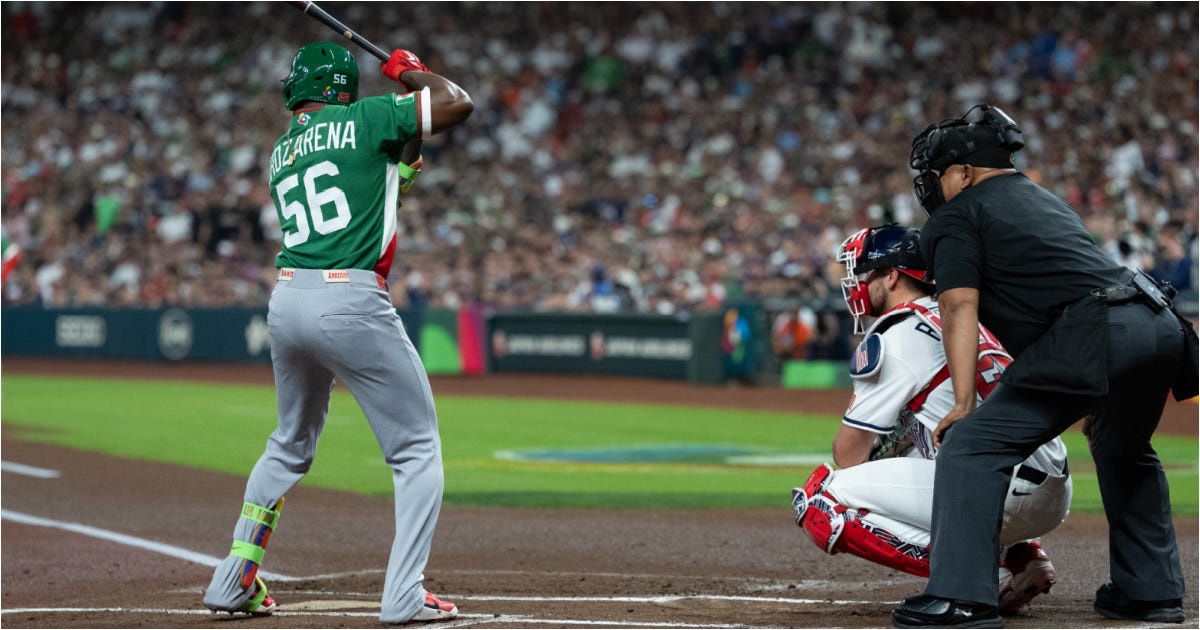
The moment between Arozarena and Raleigh was not a minor incident, nor simply another misunderstanding between two teams that share a long rivalry in the World Baseball Classic, like the United States and Mexico.
What happened at home plate represented something larger: a deeper difference between two ways of seeing the game and competition itself: two baseball cultures with opposing views on how the game should be played.
Clash of Cultures
A confrontation that has stretched across more than two decades in baseball, one that reaches into debates about whether bat flips should be celebrated, the theoretical clash between tradition and modernity, and whether written or unwritten rules truly define the game.
Is it respectful to celebrate a home run? To flip the bat after a big hit? To keep pushing for runs when your team already holds a comfortable lead? Or to continue swinging when the opponent is fading in a lopsided defeat?
“It’s funny to think about the American way of playing baseball, but it’s also impressive to see all these cultures from Asia, Latin countries, and the Americas,” Bryce Harper said before Sunday’s game between the United States and the Dominican Republic at loanDepot Park.
Harper added that every culture approaches the game differently. He admitted he can’t dance the way Fernando Tatis Jr. does, but he still has his own way of enjoying the game.
During the quarterfinal matchup between the United States and Canada, first baseman Josh Naylor tried to greet catcher and Seattle teammate Cal Raleigh at home plate. Raleigh, the MLB single-season home run record holder for catchers, did not extend his hand.
Still, the two appeared to exchange a brief greeting, even as Naylor’s hand remained awkwardly outstretched.
Before the first pitch of the Dominican Republic–United States game, Tatis Jr. did not extend his hand to catcher Will Smith. Many wondered what might have happened if Raleigh had been behind the plate when Julio Rodríguez walked toward home.
Would Julio have extended his hand? Would Raleigh have greeted him after leaving teammates like Randy Arozarena and Naylor hanging earlier? And ultimately, does it really matter whether players shake hands at home plate before a game?
Not a War, Not a Battle
Despite these cultural differences in how the game is understood, there have also been moments of unity during the World Baseball Classic. William Contreras and Tatis Jr. shared a long embrace when they met at home plate before the first pitch of Venezuela vs. the Dominican Republic.
After that embrace, Fernando Tatis Jr. blasted a home run with a bat flip off Antonio Senzatela.
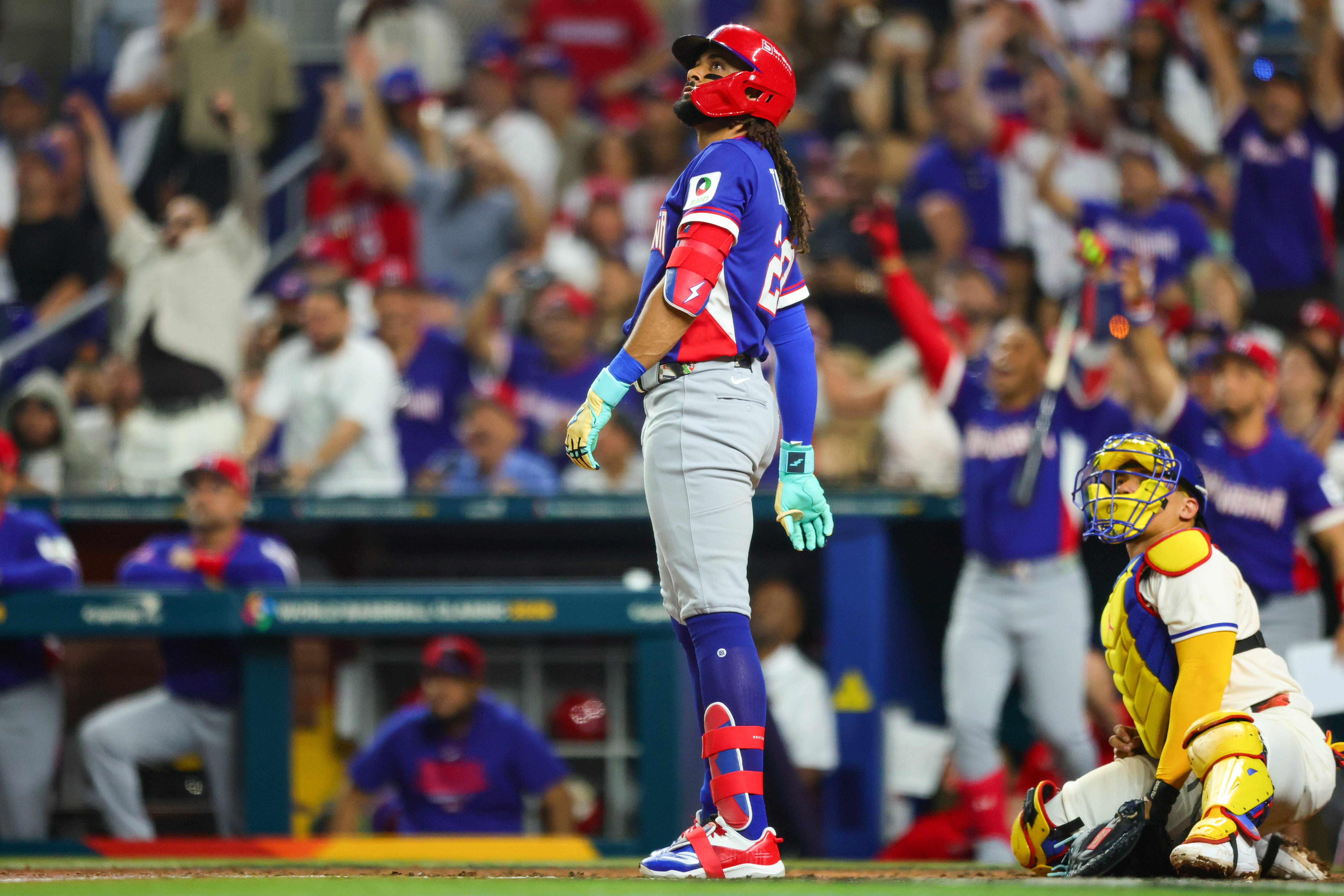
United States manager Mark DeRosa, however, described the tournament in different terms during a press conference. For him, it’s a battle, a mindset in which exchanging greetings or hugs might be seen as a sign of weakness or distraction.
Yet that philosophy does not sit well with everyone. Many fans and players feel uncomfortable with the idea that sportsmanship could be mistaken for vulnerability.
The point is not whether one approach is right or wrong. It simply reflects each nation’s perspective and its cultural lens for viewing competition.
“In the end, we compete, but many of these guys are friends,” Albert Pujols told me.
Beyond the competition itself, the World Baseball Classic has become a meeting point, sometimes a clash, of cultures. Every country has its own language for asserting itself on the field.
“When you cross that line, you focus on the game. But that doesn’t mean we’re enemies.”
Some teams, such as the United States, even leaned into the battlefield mentality to strengthen their focus. During the first round in Houston, former Navy SEAL Robert J. O’Neill, who led the mission that killed Osama bin Laden, visited the clubhouse to deliver a motivational talk to Team USA.
For others, the World Baseball Classic is simply a game, not a battlefield.
This diversity of cultures and viewpoints is precisely what makes a global event like the tournament so compelling and successful. Rather than diminishing the competition, those differences have helped the sport, and the event itself, grow.
It’s Only a Game
The Dominican Republic, one of the most electrifying teams to watch in this tournament, experienced the other side of the story Sunday at loanDepot Park. Dominican pitchers struck out 15 batters against the United States’ star-studded lineup, yet the offense failed to produce the run needed to tie the game.
Their best chance came in the seventh inning, with runners on second and third and one out. Reliever David Bednar struck out Tatis Jr. and Ketel Marte, extinguishing the comeback hopes.
Even in the ninth, with Rodríguez on second base and one out, the Dominican lineup could not push across the tying run.
“I’m not going to focus on that last pitch,” Pujols said minutes after the defeat.
United States closer Mason Miller threw a slider that missed the strike zone by 3.7 inches, yet home plate umpire Cory Blaser called it strike three, an unexpected ending that surprised nearly everyone in the stadium.
Equally surprising was Pujols’ calm response. Despite the elimination, the Hall of Fame–caliber legend avoided criticizing the call.
“I feel incredibly proud of these guys. Once again, we raised our flag high.”
Pujols said that among all his achievements as a hitter and future Hall of Famer, managing in this tournament ranks among the most meaningful experiences of his career. He even thanked Austin Wells, who was not born in the Dominican Republic but still chose to represent the country.
For Pujols, destiny ultimately lies in God’s hands.
“This year wasn’t our Classic,” he said.