

After two decades away from the game, former player agent Joe Cubas has returned to the baseball industry with the launch of a new academy established in July 2025, operating in both the Dominican Republic and Venezuela. Cubas, one of the most prominent agents of the 1990s and early 2000s, is now 65 years old and welcomed me into his home to discuss the venture.
According to Cubas, Caribbean Baseball Academy (CBA) currently has more than 20 international prospects who aspire to sign with Major League Baseball organizations in the future.
Paid subscribers to Beisbol FR receive a weekly update straight from Francys Romero’s desk and reporter’s notebook: The Insider FR. Subscribe here to receive it.
“This is something I’ve always wanted to do,” Cubas said. “It’s a project I wasn’t able to accomplish during my first stint in the game.”
For years, trusted friends and associates encouraged him to pursue the idea, but he repeatedly declined. Eventually, however, the longtime baseball agent decided it was time to return and contribute once again to the identification, signing, and development of young talent.
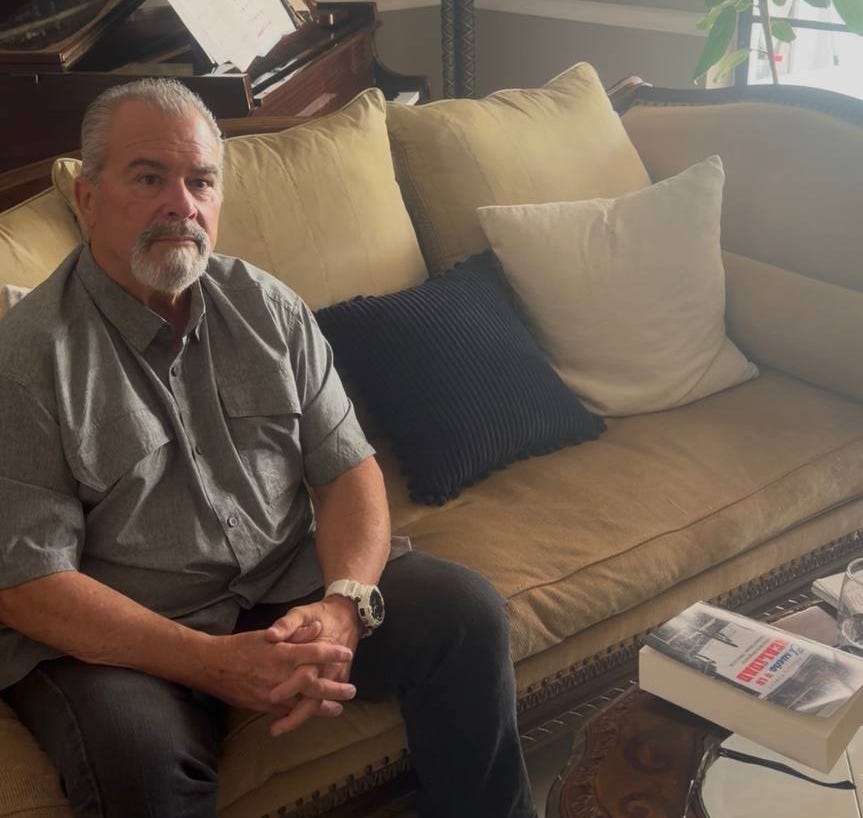
Now, through CBA, Cubas hopes to use decades of experience and relationships throughout the baseball world to help guide the next generation of players as they pursue professional opportunities both on and off the field.
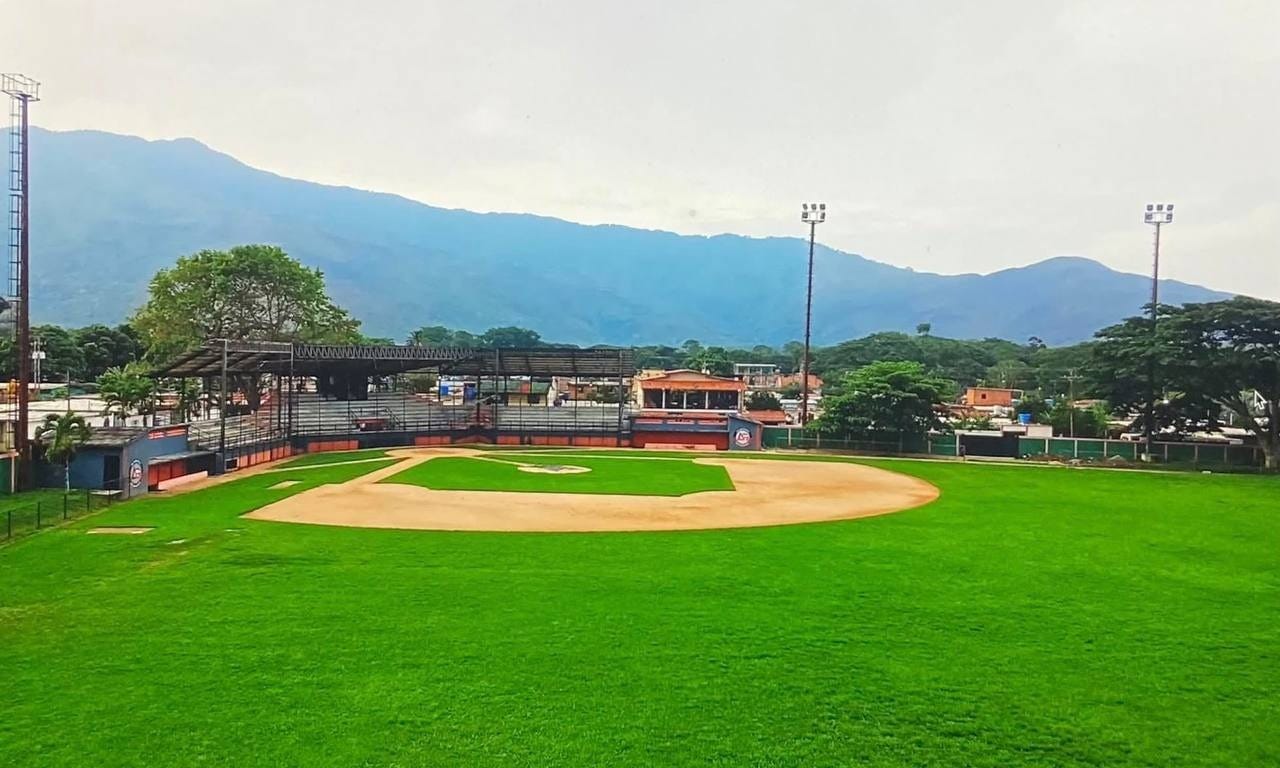
The academy’s primary facility is currently located in Bejuma, in Venezuela’s Carabobo state. In recent months, CBA has also established a full-scale program in the Dominican Republic, where Cubas has incorporated several young Cuban prospects from the 2028 international signing class and beyond.
“I see a tremendous need, especially when it comes to Cuban players,” Cubas said.
Every day, Cubas says, he would read and hear stories about the hardships faced by Cuban families in the Dominican Republic. In many cases, when players are deemed unlikely to sign, remain stuck in the signing process for two or three years, or are no longer viewed as worthwhile investments, they are abandoned by investors and others involved in the business. According to Cubas, the practice has been occurring for years, and as someone with extensive experience and deep knowledge of the industry, he is well aware of the problem.
Sitting in the living room of his Miami home, Cubas told me that he has already taken in several cases involving abandoned players.
“There is a huge void and a real need for established people in this industry to step up,” he said. “I think the time has come to speak publicly about what isn’t being done.”
The academy has already assembled a network of scouts, pitching instructors, and hitting coaches. Cubas added that for players who ultimately lack the talent to sign professionally or are unable to secure an international contract, he plans to help them pursue college scholarships in the United States.
“Our responsibility goes beyond baseball,” Cubas said. “If a player’s path doesn’t lead to professional baseball, we want to make sure he still has an opportunity to build a future through education.”
“I thought people had forgotten my name”
During the 1990s, Cubas represented some of the biggest names to emerge from the Cuban market, including Liván Hernández, Orlando Hernández, Rolando Arrojo, and Danys Báez. Around 2006, he decided to step away from the agent business, choosing instead to spend more time with his family and focus on his real estate ventures.
“I missed out on my children’s younger years because I was always on the road,” Cubas said.
Cubas played a key role in securing opportunities and rights for Cuban players who left the island, whether by sea or by defecting from national teams while abroad. One of the defining moments of his career came in December 1997, when Orlando “El Duque” Hernández departed from the Bahamas to Costa Rica before ultimately signing with the New York Yankees.
Now, in a new and very different project, Cubas hopes to achieve fresh success, much as he did more than two decades ago as a certified baseball agent. The landscape has changed dramatically, particularly when it comes to communication.
“Almost everyone has a phone now, and they communicate with us through WhatsApp,” he said.
Since the founding of J. Cubas Caribbean Baseball Academy in July 2025, the program has assembled a group of prospects that includes players currently eligible to sign during the international signing period that runs through December 15, 2026, as well as younger talent projected to sign in the 2026-27 classes and through 2030.
“When we got started, I didn’t want to take on players who already had previous agreements with other academies,” Cubas explained.
As he spoke with me, his academy was organizing a showcase in Bejuma, Venezuela, featuring prospects from the 2028 through 2030 international signing classes. Cubas said he expects the program to reach agreements involving its first players in the near future.
As a reporter with more than 10 years of experience, I have seen a much greater sense of urgency over the past three years among families seeking to leave Cuba with their children, players as young as 11 or 12 years old, and find support from an academy until they become eligible to sign.
These cases require high-risk investments and a long-term commitment that not everyone in the industry is willing to undertake. I asked Cubas whether he would be willing to help families facing those circumstances, and his response was straightforward.
“You can gladly give them the academy’s information and our contact details,” he said.
J. Cubas Caribbean Baseball Academy currently has 12 players at its Dominican Republic facility and 14 in Venezuela. Cubas said he does not want the total number of players between the two locations to exceed 30 to 35, believing that the academy’s staff can provide equal attention and development opportunities to every prospect in the program.
“Here we are talking about many things. First comes development, then the legal side involving visas and free agency, and finally the process of showcasing them to MLB organizations.”
Cubas, as he did during the peak of his career in player representation, also understands that he aims to build an academy of excellence focused on nutrition, player treatment, physical preparation, mental conditioning, and contract signing.
“My goal in this, as in everything I do, is to become the best of the best within a year,” he said.
Joe says he is not very good at selling himself and prefers to let his results speak for themselves, as they have throughout his career.
“Will you return as a certified MLBPA agent?” I asked him at the end of the conversation.
“That ship has already left the dock.”
Great story!